
Feb. 23, 2024
Cultivation is an essential practice in agriculture aimed at preparing the soil, controlling weeds, and creating an optimal environment for plant growth. At the heart of this process lies the cultivator, a versatile agricultural implement designed to perform a range of soil preparation tasks.
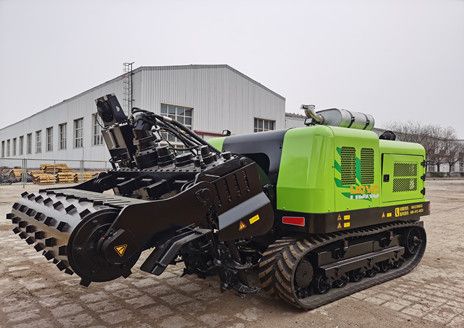
What is a Cultivator?
A cultivator is a farm implement used to perform various soil cultivation tasks, including loosening, aerating, and mixing the soil to create an ideal seedbed for planting crops. Unlike plows, which are primarily used for initial soil turning, cultivators are employed for secondary tillage operations to maintain soil structure, control weeds, and promote seed germination and plant growth.
Functions of a Cultivator:
Soil Loosening and Aeration:Cultivators feature multiple tines or shanks arranged in a row, which penetrate the soil and break up compacted layers. By loosening the soil, cultivators improve soil structure and promote better air and water penetration, facilitating root growth and nutrient uptake by plants.
Weed Control:One of the primary functions of a cultivator is weed control. As the cultivator tines or shanks work through the soil, they uproot and bury emerging weeds, preventing them from competing with crops for nutrients, water, and sunlight. This mechanical weed control method reduces the reliance on herbicides and promotes sustainable farming practices.
Seedbed Preparation:Cultivators are instrumental in preparing the seedbed for planting crops. By breaking up clods, leveling the soil surface, and incorporating organic matter, cultivators create an optimal environment for seed germination and establishment. Proper seedbed preparation ensures uniform seed placement and promotes even crop emergence.
Residue Management:In modern conservation tillage systems, cultivators are used to manage crop residues left on the soil surface after harvesting. By incorporating crop residues into the soil, cultivators facilitate decomposition and nutrient recycling, improving soil fertility and organic matter content over time.
Featured content:Interrow Cultivation:Cultivators equipped with adjustable row spacing are used for interrow cultivation, where weeds between crop rows are mechanically removed without damaging the crop plants. Interrow cultivation promotes crop health and productivity by minimizing weed competition and enhancing soil moisture retention.
Types of Cultivators:
Spring-Tooth Cultivators: Equipped with spring-loaded tines, spring-tooth cultivators are ideal for breaking up clods and aerating compacted soils.
Rotary Cultivators: Utilizing rotating blades or tines, rotary cultivators are effective for shredding crop residues, mixing soil amendments, and preparing seedbeds.
Harrow Cultivators: Harrow cultivators feature offset discs or tines arranged in a harrow-like pattern, making them suitable for shallow tillage, weed control, and seedbed preparation.
Conclusion:
In summary, cultivators play a crucial role in modern agriculture by facilitating soil preparation, weed control, and seedbed establishment. By employing cultivators in farming operations, growers can maintain soil health, optimize crop yields, and promote sustainable land management practices. As farming techniques evolve, cultivators continue to be indispensable tools for ensuring productive and environmentally responsible agriculture.
Previous: How Can a Paper Sheeting Machine Improve Your Production Efficiency?
Next: None
Related Articles
If you are interested in sending in a Guest Blogger Submission,welcome to write for us!




All Comments ( 0 )